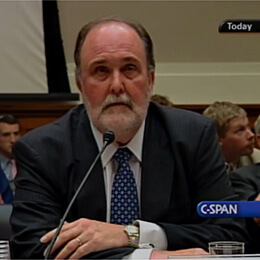
Gene Guilford
Executive Director, IHMM
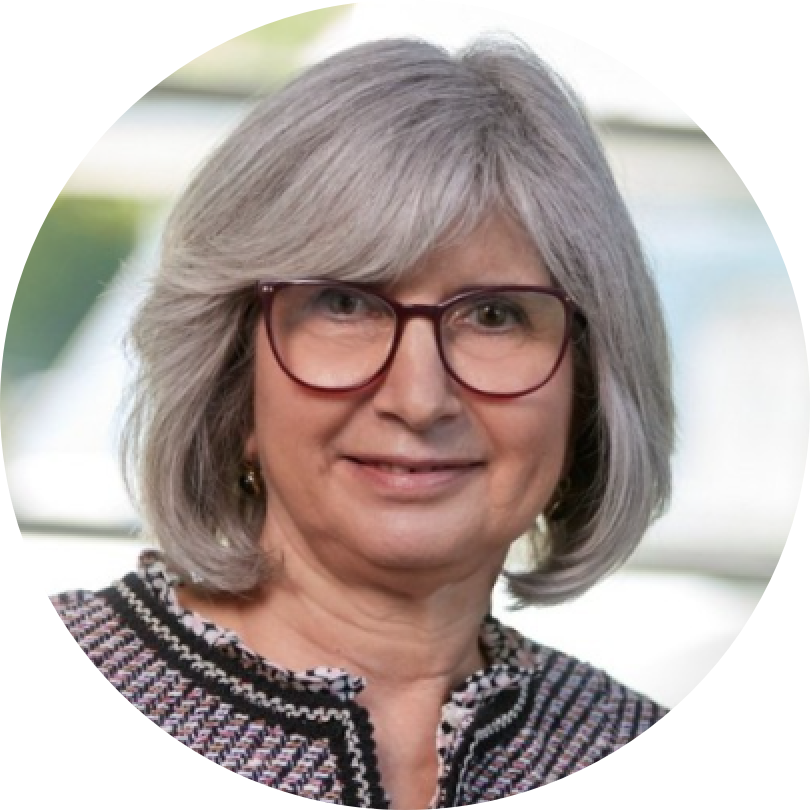
Susan Cathey is a Senior Principal at Geosyntec Consultants, where she advises clients on environmental risk, permitting strategy, and regulatory governance for complex energy and energy transition projects. With more than 35 years of experience in environmental health and safety leadership, she has worked across plant operations, corporate environmental programs, crisis management, forensic investigation response, and multi‑facility governance.
Her work focuses on helping organizations align environmental compliance with business objectives by translating regulatory risk into impacts on capital efficiency, project delivery, and operational resilience. Susan has led multidisciplinary teams supporting projects from pre‑investment through design, permitting, construction, operations, and asset replacement, and is known for her ability to connect environmental strategy with executive decision‑making.
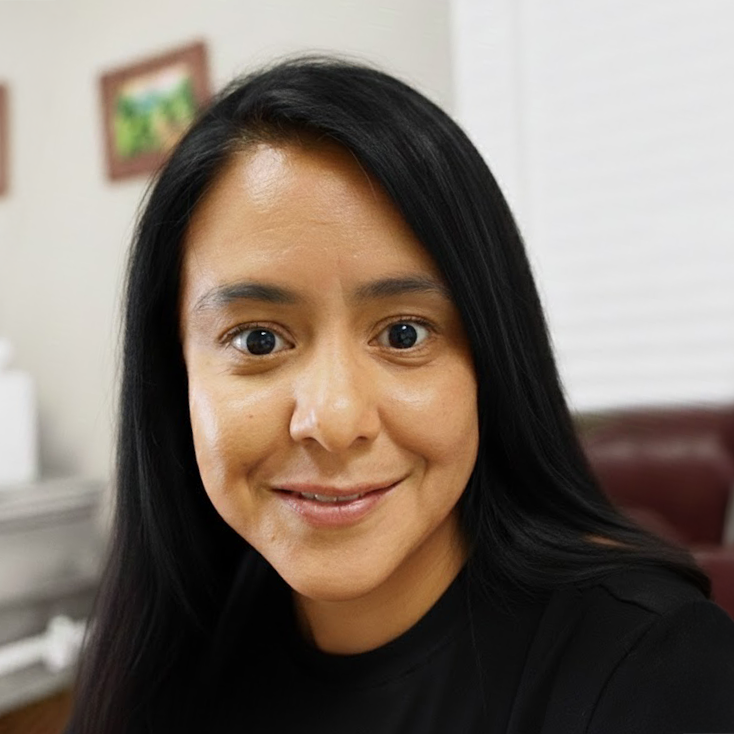
Patricia Edwards serves as a Principal Scientist at Braun Intertec Corporation in Houston, Texas, bringing over 15 years of specialized experience in the environmental sector. Prior to becoming a consultant, she has acted as a compliance manager for bulk chemical terminals and other industrial facilities. Her expertise centers on the strategic oversight of waste activities for Large Quantity Generators (LQG), TPDES permitting and wastewater plant operations, and SPCC program oversight, with a particular focus on the unique regulatory challenges facing water-adjacent operations.
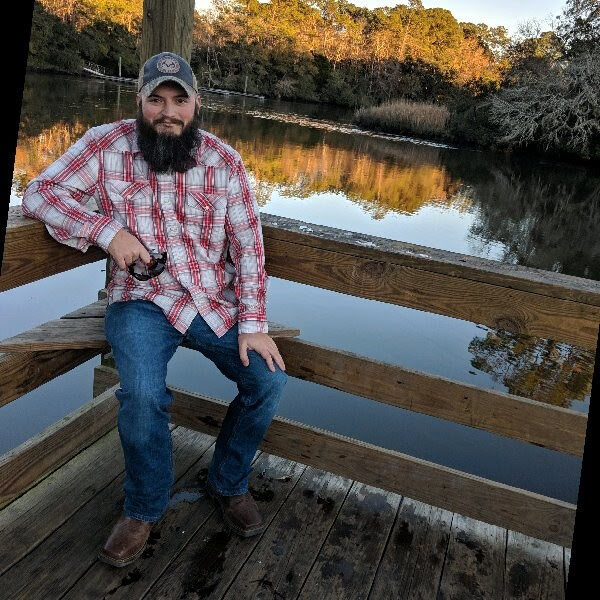
Chris Koslin is an environmental health and safety consultant specializing in cost-effective compliance solutions. With more than 22 years of experience in environmental compliance and safety management, Chris has worked across diverse industrial sectors including manufacturing, construction, and utilities throughout the United States.
Chris holds multiple Master's degrees including an M.S. in Occupational Health and Safety with a specialization in Environmental Management. He maintains numerous professional certifications including Certified Safety Professional (CSP), Certified Professional in Erosion and Sediment Control (CPESC), Certified Inspector of Sediment and Erosion Control (CISEC), and Certified Erosion, Sediment, and Stormwater Inspector (CESSWI), along with his OSHA 500 certification. He is a certified Level 1 NPDES instructor and has assisted in teaching stormwater inspector certification classes in multiple states.
Chris serves as Pacific Northwest Safety Practice Leader for Apex Companies. He specializes in multi-media environmental compliance, green infrastructure solutions, ISO 14001 management systems, and regulatory permitting programs, safety management systems, and safety procedure creation. Chris is recognized for translating complex federal and state regulatory requirements into practical, actionable compliance programs.
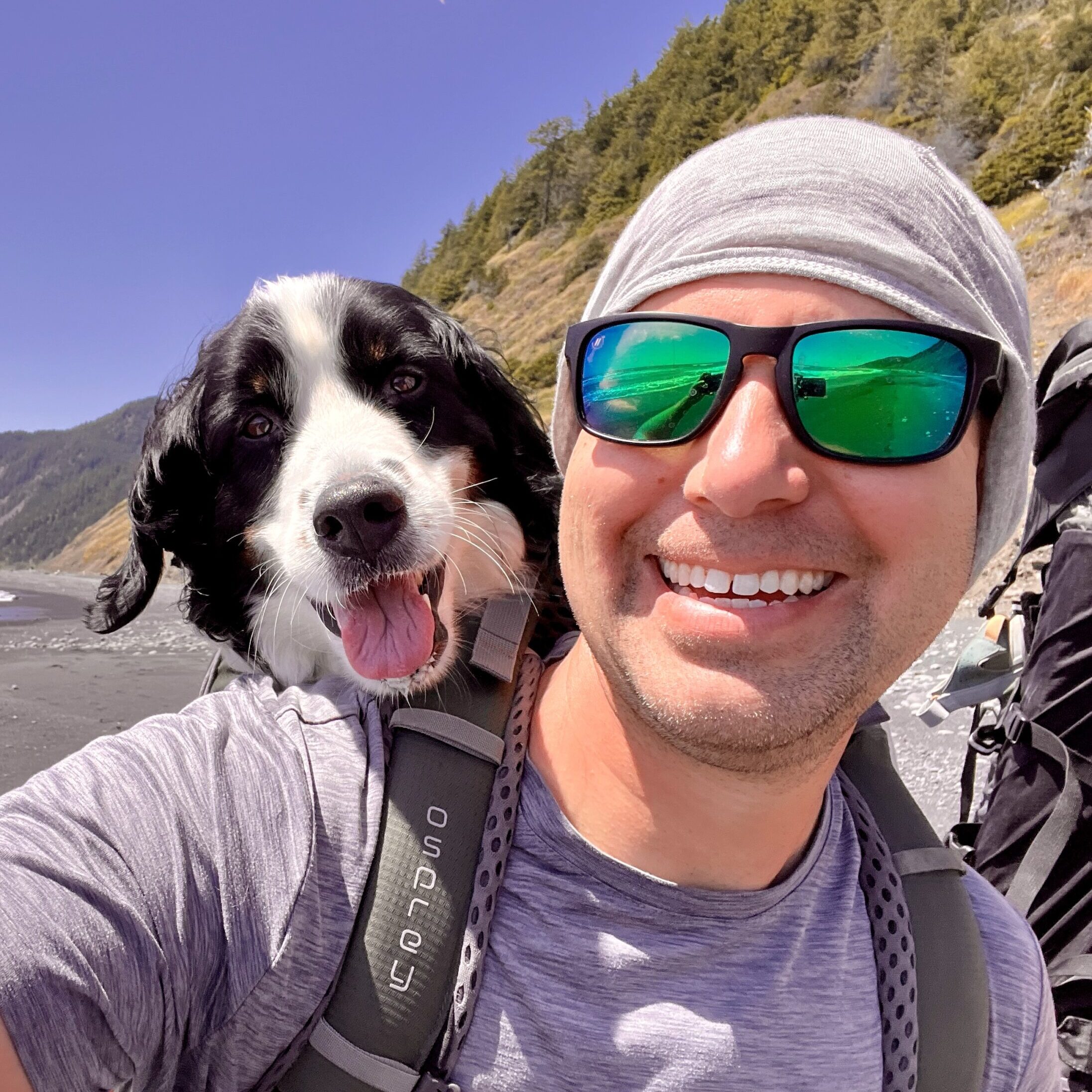
Ryan Janoch, PE is the Co-Founder of Mapistry, an environmental compliance software company, which he started out of frustration with existing mapping software, paper forms, and spreadsheets. Today, he is pioneering the integration of Artificial Intelligence into environmental compliance. Under Ryan’s leadership, Mapistry has revolutionized how industrial companies handle data through AI-driven environmental data extraction and intelligent form building, transforming messy, unstructured site data into actionable compliance insights. He and the Mapistry team are the architects behind Maple AI, Mapistry’s proprietary engine designed to automate the heavy lifting of environmental management.
Before founding Mapistry in 2014, Ryan was an environmental consultant where he led national and international projects along with serving as the consulting expert / expert witness in over 20+ stormwater legal matters. His regulatory resume includes appointments to the Bay Area Air Quality Management District (BAAQMD) Hearing Board, Virginia Stormwater BMP Clearinghouse Committee, the WEF/EPA National Stormwater Testing (STEPP) Workgroup, and NJDEP's Stormwater Device Testing Protocols Committee, which he chaired. Ryan has spent the past 20 years making environmental programs more effective and AI is the most powerful tool to do so in his career, so he wants to enable all to evaluate, test and realize its full potential.
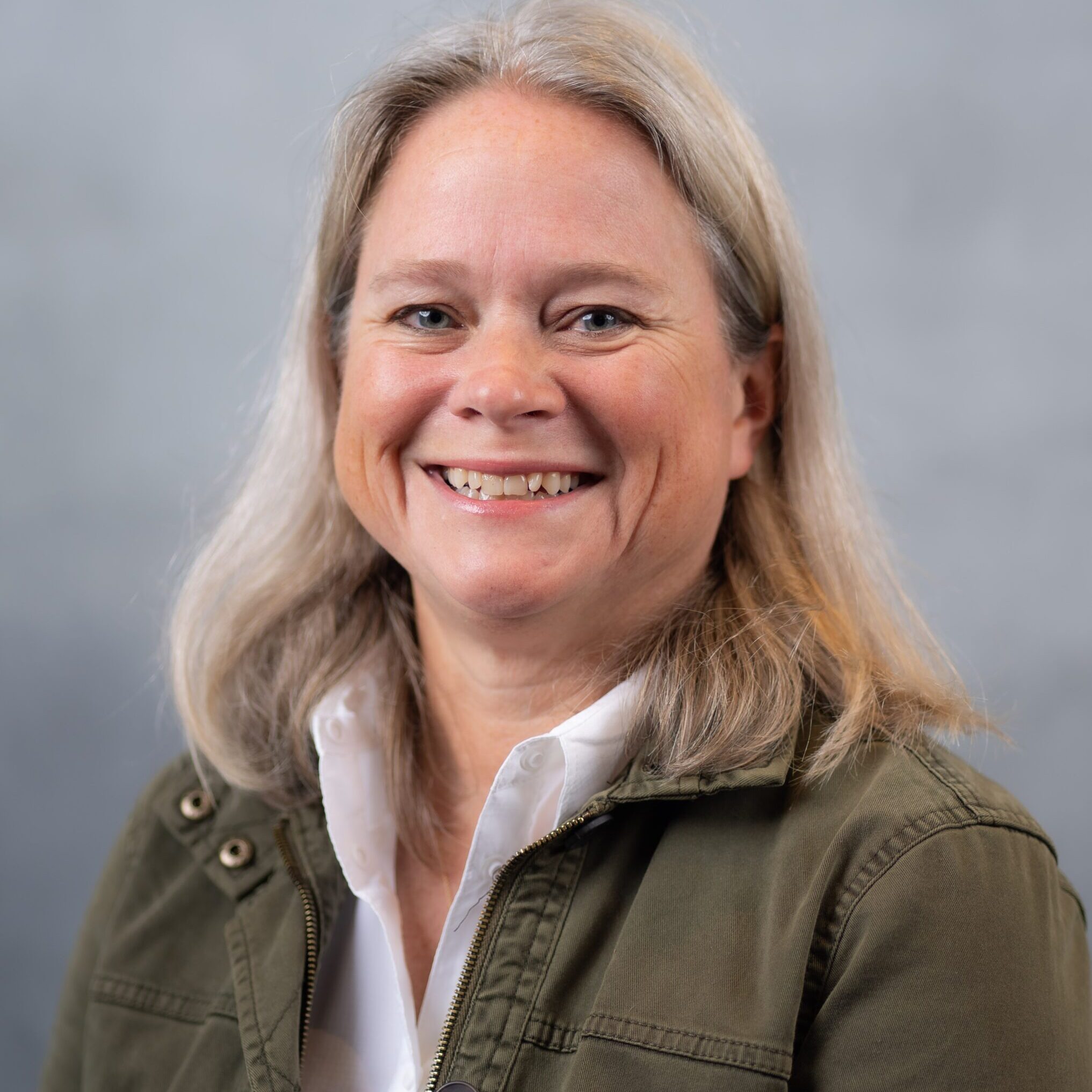
Nikki White is an environmental consultant with 20+ years of experience guiding organizations with environmental compliance, management system implementation, and EHS program development. She is a Certified Hazardous Materials Manager (CHMM), Certified Professional Environmental Auditor (CPEA), and a certified ISO 14001 lead auditor. Nikki has led EHS compliance and EMS audits across Federal facilities and private sector operations in the US and Canada. Before coming back to consulting, she was the first environmental employee for Volkswagen in the US after the diesel scandal. Nikki advises manufacturers on Massachusetts TURA applicability and toxics use reduction planning, and on EPA TRI reporting — translating obligations into risk reduction, operational efficiency.
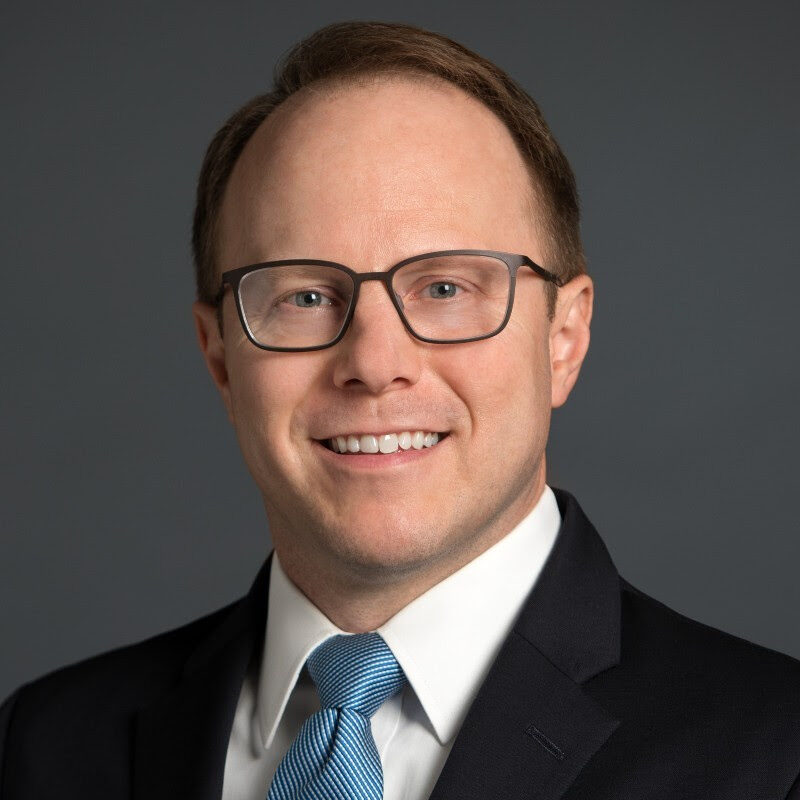
Gary Steinbauer is an environmental attorney and shareholder in the Environmental Group at Babst Calland, where he provides strategic counsel to clients across a wide range of industrial sectors on environmental regulatory compliance, permitting, and enforcement matters. He advises companies on complex issues arising under major federal and state environmental programs, devoting a significant portion of his practice to matters involving air emissions and wastewater discharges.
Prior to joining Babst Calland, Gary served as an attorney with the U.S. Environmental Protection Agency in Region 5, where he focused on enforcement, permitting, and regulatory matters under key environmental statutes such as the Clean Air Act and Clean Water Act. After graduating magna cum laude from the University of Toledo College of Law, where he served as the Managing Editor of the Law Review, Gary served as a judicial law clerk to the Honorable Patrick J. Duggan of the United States District Court for the Eastern District of Michigan.
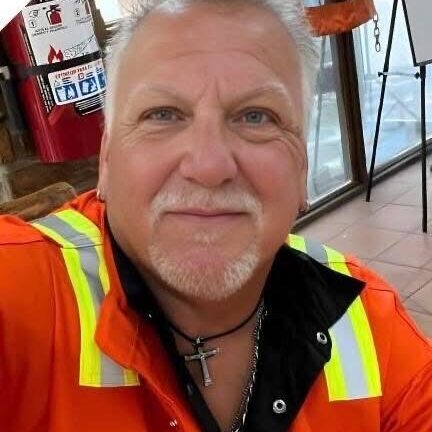
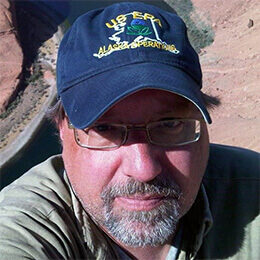

Hallie Tucker is a Compliance Services Leader at Dakota Software with over two decades of experience in EHS compliance. She has a background in learning and development, instructional design, project management, and EHS management system administration. Hallie combines hands-on expertise in regulatory compliance, process optimization, and data analysis with a talent for translating complex requirements into actionable programs. She holds a B.S. in Environmental Geosciences from Texas A&M University and certifications in Process Safety Management and Hazardous Waste Management.
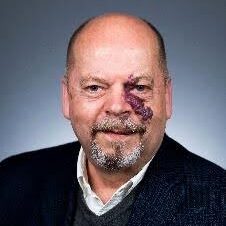
Dr. Terry Obal is the Specialty Testing Practice Leader for SGS North America. Terry’s mission is to drive business growth and scientific leadership within the Specialty and PFAS testing markets among others, positioning SGS as a leading authority in specialty testing solutions. Terry liaises with SGS clients, solving technical challenges, driving continuous improvement in SGS's analytical capabilities and service offerings, and contributing to the development of innovative solutions that address critical environmental challenges. He has a long history of providing technical representation, consultative support, and expert opinions for SGS clients and key environmental stakeholders.
Prior to joining SGS, Terry has led the development and commercialization of robust, reliable, and defensible methods for the determination of per-and polyfluoroalkyl substances (PFAS) in a diverse range of environmental matrices. He continues to be active and recognized in the science and measurement of PFAS.
Terry has almost 40 years of experience in analytical chemistry, laboratory management and environmental chemical consulting. He holds B.Sc., M.Sc., and Ph.D. degrees in chemistry, and is a Chartered Chemist (C.Chem.) through the Association of the Chemical Profession of Ontario (ACPO).

Craig Schwarze is an environmental regulatory compliance expert with more than 30 years of hands-on experience assisting clients to achieve and maintain compliance nationwide. He has provided environmental compliance support to more than 400 private companies and Federal agencies, ranging from steel mills to the US Army, and has led environmental compliance assistance audits for more than 350 facilities in 42 states, and has been approved by multiple EPA regions, the Department of Justice, and several state environmental departments as a third-party compliance evaluator. Mr. Schwarze is the President of Aarcher Institute and has served as an instructor since 2005, helping to deliver training to more than 9,000 students. He has been awarded a Certified Instructional Trainer for Environmental, Health, and Safety (CIT) certification based on this experience and knowledge of adult education methods.

Christine Jochim is a partner in the Environment, Land, and Natural Resources group of K&L Gates LLP. With two decades of legal and public policy experience, Christine focuses her practice primarily on the defense of complex enforcement actions involving alleged violations of state and federal environmental, health, and safety regulations. Christine routinely advises clients on compliance with environmental laws and regulations and coordinates closely with the firm’s Policy and Regulatory Group on legislative and regulatory developments. While serving in both in-house and private practice roles, Christine has resolved environmental and other enforcement actions taken by the US Environmental Protection Agency, the US Department of Interior, and the US Occupational Safety and Health Administration, among other regulatory agencies at both the state and federal levels. She represents domestic and international clients in a range of legal forums, including state and federal courts, administrative tribunals, regulatory hearings, and alternative dispute resolution proceedings. Christine returned to the firm in early 2024 after serving in-house as senior environmental counsel to a multinational energy company.
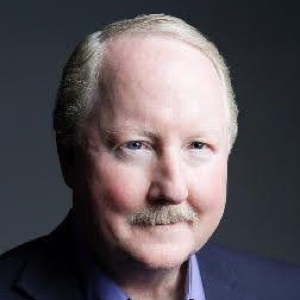
Mr. Mandel is a certified risk management professional (CRMP) with more than 30 years of executive experience in large global corporate risk management. He was previously named “Risk Manager of the Year” by the Risk Management Society (RIMS), for whom he served as president and 7-year board member. RIMS awarded him a lifetime achievement award (Goodell) in 2016, and he was voted in as a member of Risk Who’s Who (RWW). He is recognized by his peers as a thought leader in risk management and related disciplines, teaching and writing for various organizations including RIMS, George Mason University, and ICCIE. Mr. Mandel has numerous certifications and designations including CPCU, ARME, RIMS-CRMP, AIC, and DCRO.
As Chief Risk Officer at USAA, he pioneered the development of the advanced risk management strategy, where S&P rated USAA as “excellent” and a “leader in Enterprise Risk Management” for five consecutive years during his tenure. His career also included risk related leadership roles at Liberty Mutual, Marsh, Verizon, American National Red Cross, YUM Brands, and PepsiCo. He was the SVP, Strategic Solutions for Sedgwick and the Founding Director of the Sedgwick Institute.
Chris Mandel provides risk consulting and services as assistant professor teaching enterprise risk management in the worldwide college of business at Embry-Riddle Aeronautical University.
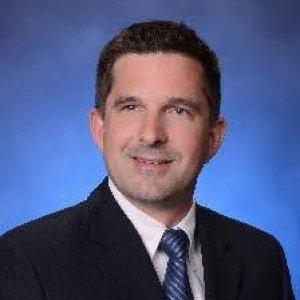
Nelson Brooks is a registered professional engineer and a professional geologist with more than 25 years of experience in environmental compliance, engineering design/permitting, environmental and hazardous waste site investigations and assessments. He is certified as an Aboveground Storage Tank (AST) Inspector by the Steel Tank Institute and Underground Tank Inspector by the Maryland Department of the Environment. Nelson designs, permits, inspects, and provides on-call engineering support for aboveground and underground storage tanks nationwide, but primarily in the Mid-Atlantic region. His experience includes operation, performance, and regulatory compliance. Nelson has completed a multitude of fuel tank system designs ranging from 300-gallon diesel fuel emergency generator systems to 50,000-gallon boiler fuel systems for both public and private clients.
Mr. Brooks currently serves as Mid-Atlantic Tank Program Manager with EA Engineering, Science, and Technology, Inc., PBC., an environmental consulting firm that provides environmental, compliance, natural resources, and infrastructure engineering and management solutions to a wide range of public and private sector clients.

Ms. Belhateche is a professional engineer with more than 35 years of consulting, operational, and engineering experience in the environmental field, with a major focus on providing industrial multi-media environmental compliance support to facility personnel. She has performed projects for diverse industrial facilities, such as petroleum refineries, petrochemical and plastics manufacturing facilities, upstream and offshore oil and gas exploration and production sites, power generation plants, metal forging and electroplating plants and other manufacturing plants. She has led numerous multi-media compliance audits at industrial facilities to assess compliance with federal, state, and local environmental regulations and she has prepared hundreds of spill response plans for these types of facilities. Ms. Belhateche is the vice president and environmental technical director for compliance and permitting at Braun Intertec, an environmental consulting firm.